For two decades, this city at the head of the Oslofjord has served as a pilgrimage for coffee enthusiasts. Widely credited as the home of light-roast coffee, it’s commonly accepted that the Nordic-style coffee movement began here. Luminaries such as Tim Wendelboe, Solberg & Hansen, and Robert Thoresen (the first World Barista Champion) were instrumental in laying the foundations.
The Nordic approach to roasting may have helped put Oslo on the map, but the city also has a lot to offer between coffee crawls. Tourists can visit some of the best museums and galleries in Europe, stare in horror at the price of a pint, visit the Vigeland sculpture park (hot tip is to check out brother Emanuel Vigeland’s Mausoleum on Sundays), or hop the public ferry to Hovedøya and dine on a feast of fresh shrimp, a local (summer) favorite at Klosterkroa.

Oslo may not have the same amount of specialty coffee options as, say, Copenhagen, but quality over quantity applies here. Our guide will take you on a journey through cafes run by World Barista Champions, neighborhood hangouts, Japanese-inspired stores sharing floorspace with designer clothes, donut bars run by top coffee roasters, and a chance to order a pour-over from a former world champion.
Tim Wendelboe
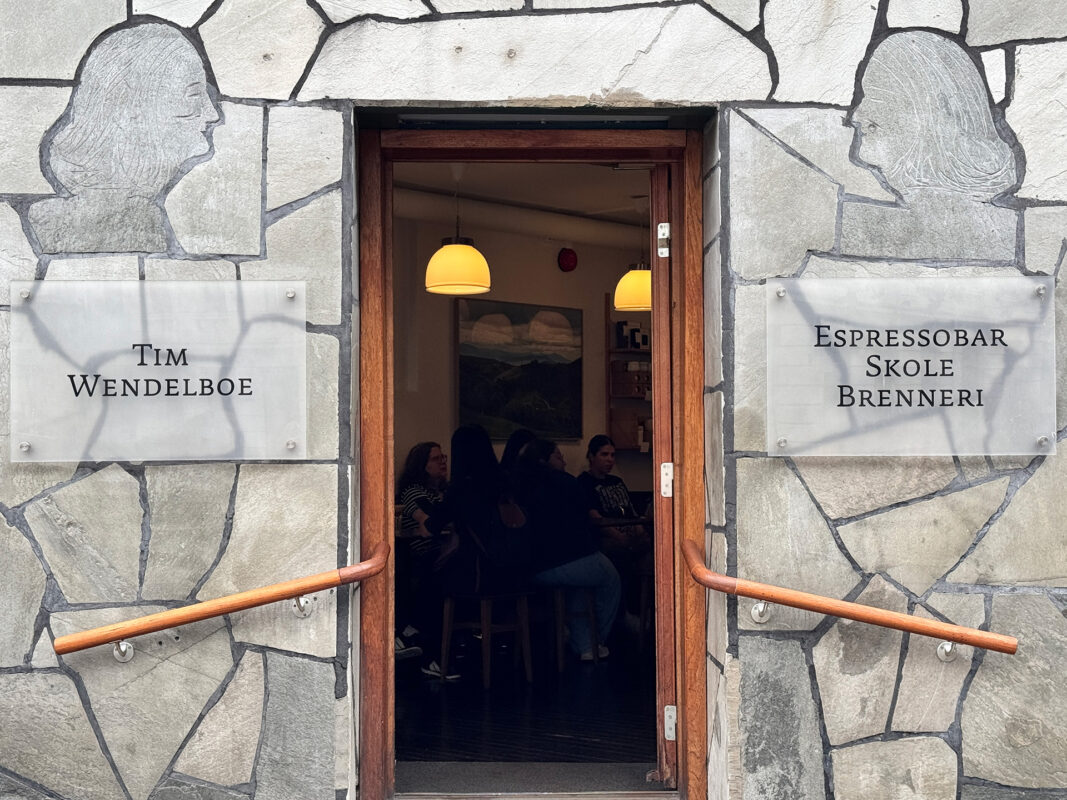
The buck starts and stops here. It’s hard to imagine a better cup of coffee anywhere in the world; for almost two decades, this unassuming cafe in the trendy area of Grunerløkka has been serving sublime, light-roasted, personal coffee. Tim Wendelboe approves everything that carries his name, and his hands-on approach to quality should serve as an inspiration to other roasters.
The cafe is small and inviting, with typical Scandinavian wood fittings and retail shelves full of coffee beans and equipment. All filter brews are made with the AeroPress, and espresso-based drinks on the stainless steel La Marzocco. If the sun is out, the signature ice-cappuccino, the “Al Freddo,” is popular. Menus change often, so you can confidently drop by and try something new every month.

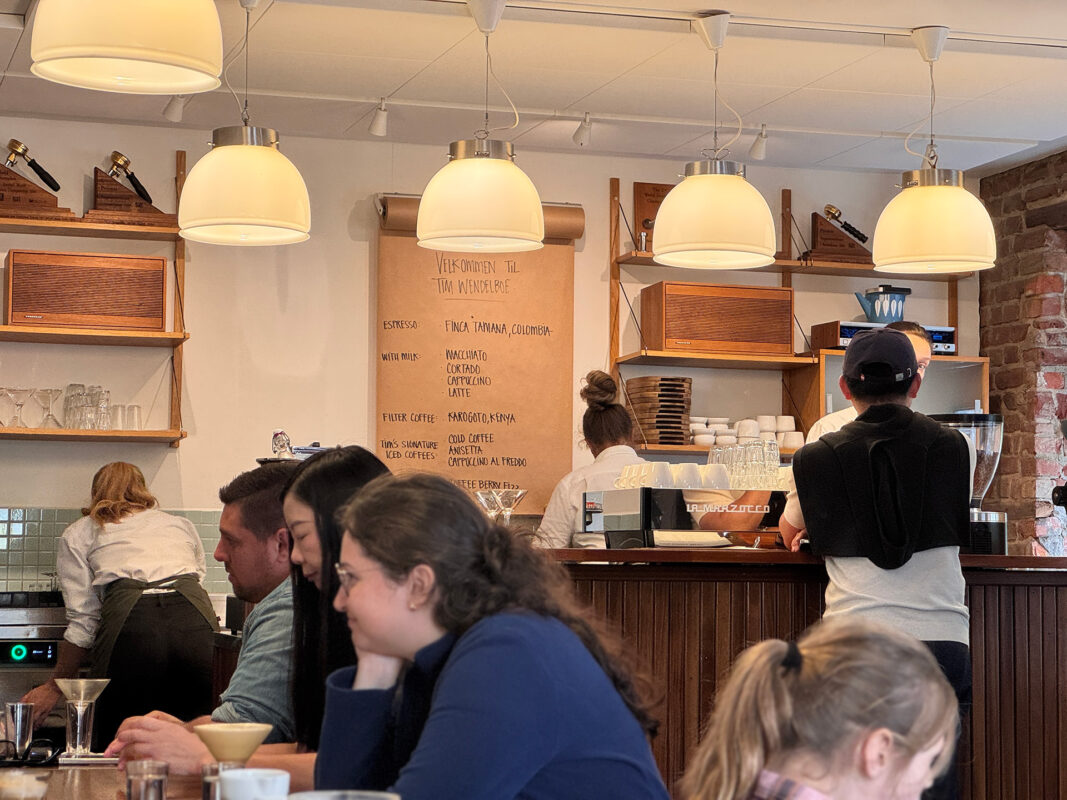
We tasted a juicy Kenyan Karagoto, a washed Pacamara from Los Pirineos, a Variedad Colombia so chocolatey you had to blink twice, and a Honduran Gesha with hints of honey, mandarin, and jasmine. Truly otherwordly.
Insider Tip: They sell 1kg bags of test-roast beans in boxes by the register, which didn’t quite pass their high-quality standards, but are far too good to throw away.
Supreme Roastworks
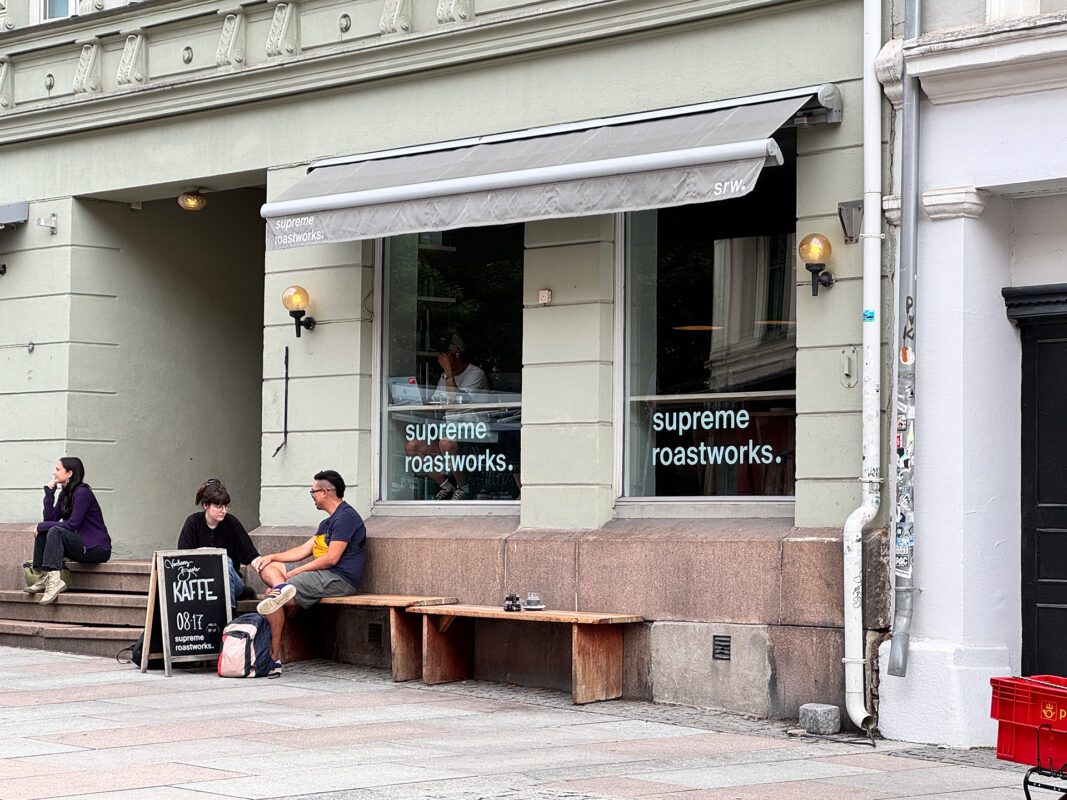
A tourist walked in and asked if there were any pastries left. “Sorry, we just sold the last one, but there is a bakery further down the road. Just get your coffee here and then head down, because our coffee is better.”
When Odd-Steinar Tøllefsen (World Brewers Cup Champion 2015) gives you advice, it’s important to listen.
Supreme Roastworks has been perfecting light-roast, clean coffees for over a decade. They opened their iconic Grunerløkka cafe in 2013, having started roasting a few years earlier. Their varied coffee menu is available in both pour-over and espresso styles. Disarmingly approachable, head roaster Magnus Lindskog and Tøllefsen run operations and can often be found brewing coffee, roasting batches, or engaged in conversation with eager customers.
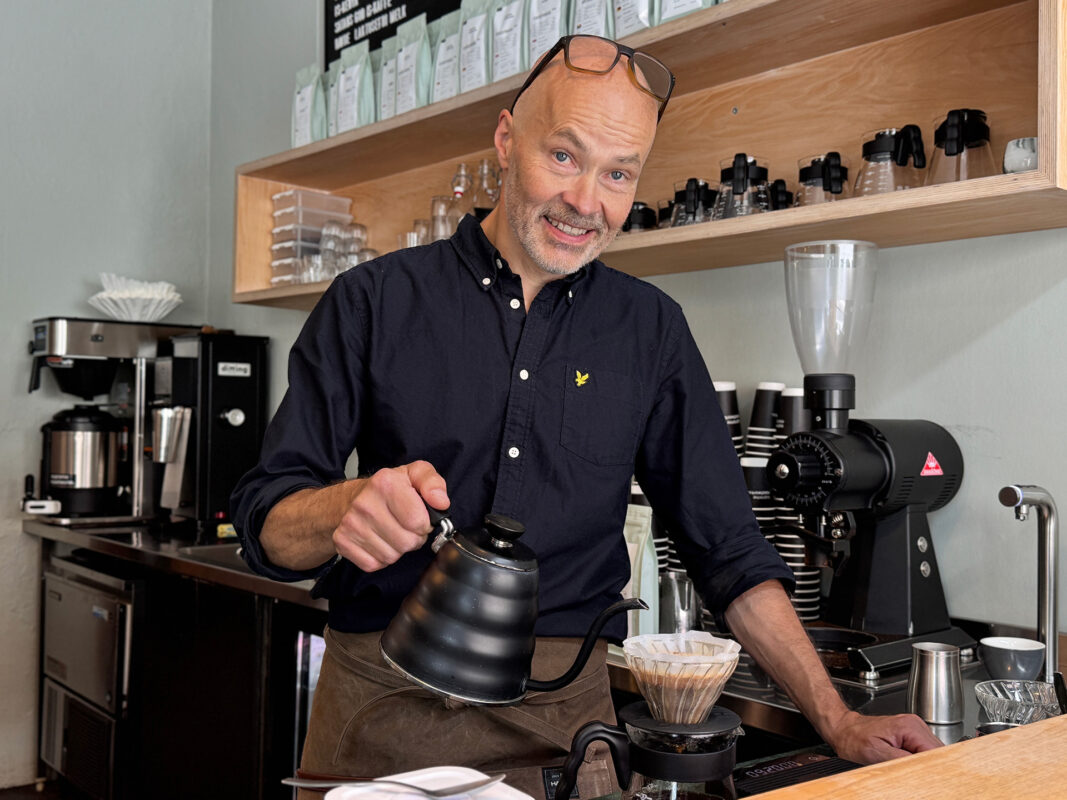
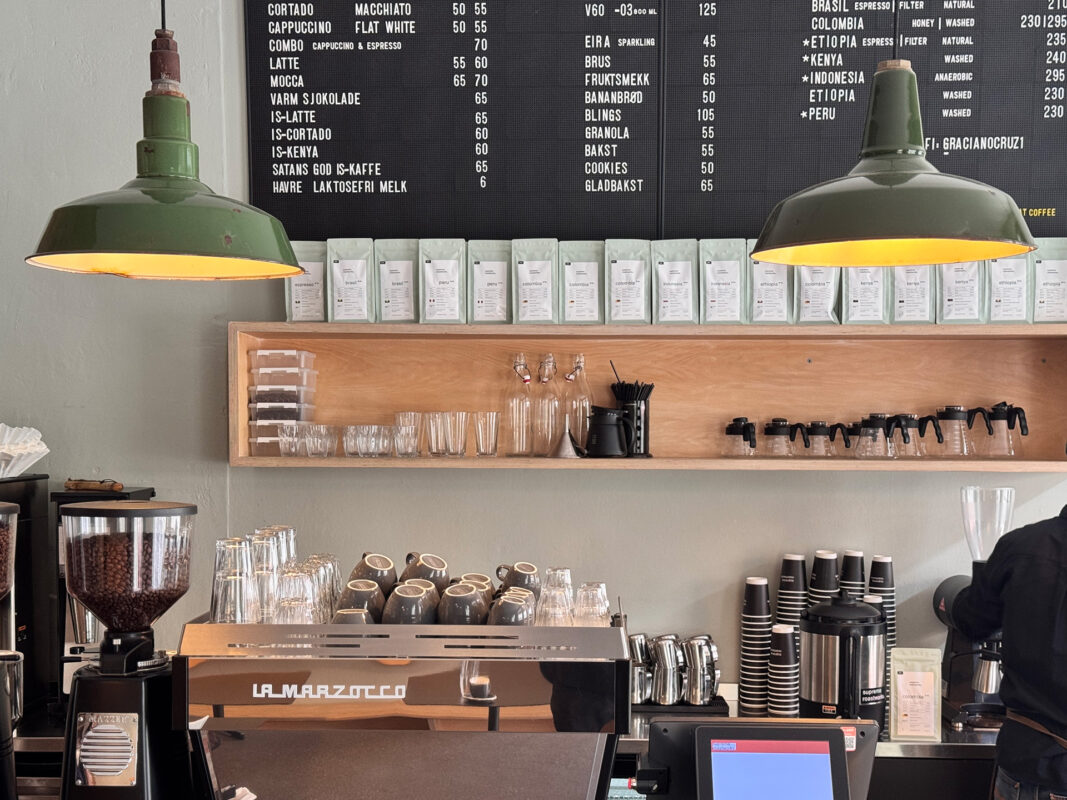
They are one of the few places in Oslo that make an excellent iced coffee for the (scant) summer months, handbrewing it using a Hario V60 and then cooling it over ice. This works well on Kenyan coffees, bringing out the fruity, red-berry notes. Our cup almost tasted like blackcurrant cordial, in the best way.
A note for readers: Supreme’s second location at Akerbrygge will close in October 2025.
Papegøye

Located in the multi-cultural neighborhood of Grønland, Papegøye champions hand-picked coffee from Norwegian roasters, which they change every few days. Batch brews are very popular, along with matcha lattes and espresso drinks. The cafe is plant-based, so all drinks are made with oat milk. The relaxed atmosphere does not come at the expense of standards, with three of the employees competing on the Norwegian national coffee team in 2022.
Papegøye is a one-stop-shop for the neighborhood. Home brewers pop in regularly to grab a bag of Norwegian coffee or filters, armchairs facilitate home-office workers, sidewalk tables remain crammed on idyllic days, and the staff go to great lengths to make everyone feel welcome. A counter is spread with plant-based cookies and treats to fuel creativity, courtesy of local supplier Bakerina. They also sell sandwiches, fruit salads, smoothies, and porridge.

Papegøye recently added beers, cocktails, natural wine, and sake to the menu, so you can graduate from your cup of coffee to a delicious cocktail when the hour is right.
Talormade

“We want to make coffee that our customers enjoy drinking.”
Australian-born Talor Browne was the head roaster at Tim Wendelboe before opening Talormade, which is located within earshot of the Munch museum. Here you’ll find coffees with a roasting profile that is sweet, clean, and complex, leaning to the lighter side. But the not-so-secret weapon is the cafe’s outstanding pastry program: donuts are the main attraction, but there’s also a tempting array of cookies, bagels, meat pies, and sausage rolls. A dedicated row of vegan donuts proves that the scene for plant-based options in Oslo is evolving, if slowly.
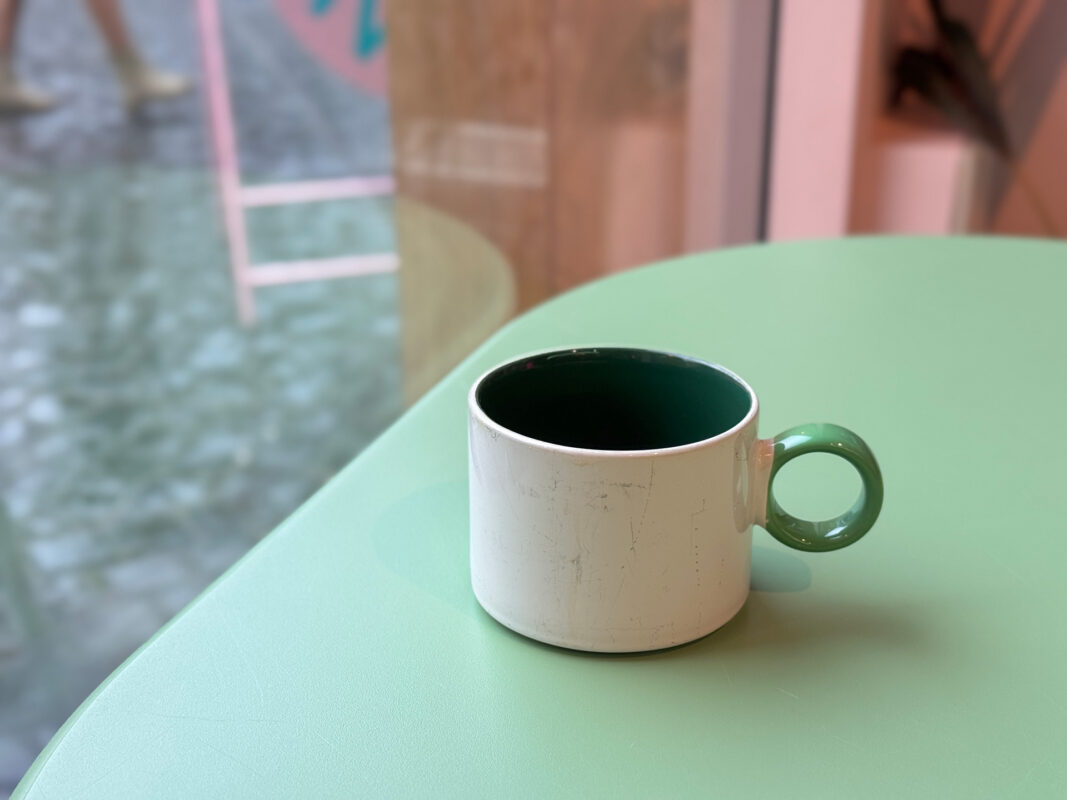
The vivid branding hints of what to expect on the inside—a Willy Wonka-style acid trip of kaleidoscopic colors, ornately decorated donuts, and bright fittings. The coffee is colorful too, and we enjoyed a juicy Rwandan red bourbon batch brew, a Kenyan coffee from Kiambu county, and a delicate Ethiopian light-roast made on the Poursteady. The beans are roasted nearby, in the Sagene neighborhood.
There are free refills on batch-brew, which makes it an affordable destination in a costly city.
Kuro

Kuro is where fashionistas flock. Not just for the coffee, but they share a floorspace with F5, a clothing store showcasing Norwegian design. The locale is minimalist, off-white and great for mingling. They serve delicious daily batch-brew, espresso drinks, and a few pour-over options. A small glass counter highlights sweet treats for sale, which you can enjoy with a glass of wine if you’re over-caffeinated.
A few shelves sell local ceramics, Kinto flasks, and glasses. Coffee bags and filter papers are available for the growing number of home-brewers in Norway. Sun-worshippers have not been forgotten and can enjoy the outside benches, grabbing a magazine to read. There is ample room on the sidewalk for push chairs, so stressed parents can take a moment to recalibrate.

The barista informed us that the worldwide matcha latte craze has well and truly arrived in Oslo, and they sell a wonderful version.
Java/Mocca

Oslo’s coffee scene has its fair share of World Champions behind the counters, and Robert Thoresen—the brains behind Java/Mocca—was the first Barista Champion back in 2000. His cafes are located in the more affluent area of Briskeby/Majorstuen, and lie 15 minutes’ walk apart. Both serve Kaffa as the house roast, which is Thoresen’s brand.
The emphasis here is very much on black filter coffee, which is the most popular order. There is a scene for pour-over coffee, too, but Norwegians stick to what they know. Both cafes have cemented their place in the Oslo specialty coffee history, and they cater to a discerning clientele who enjoy their coffee a touch more developed than Tim Wendelboe.
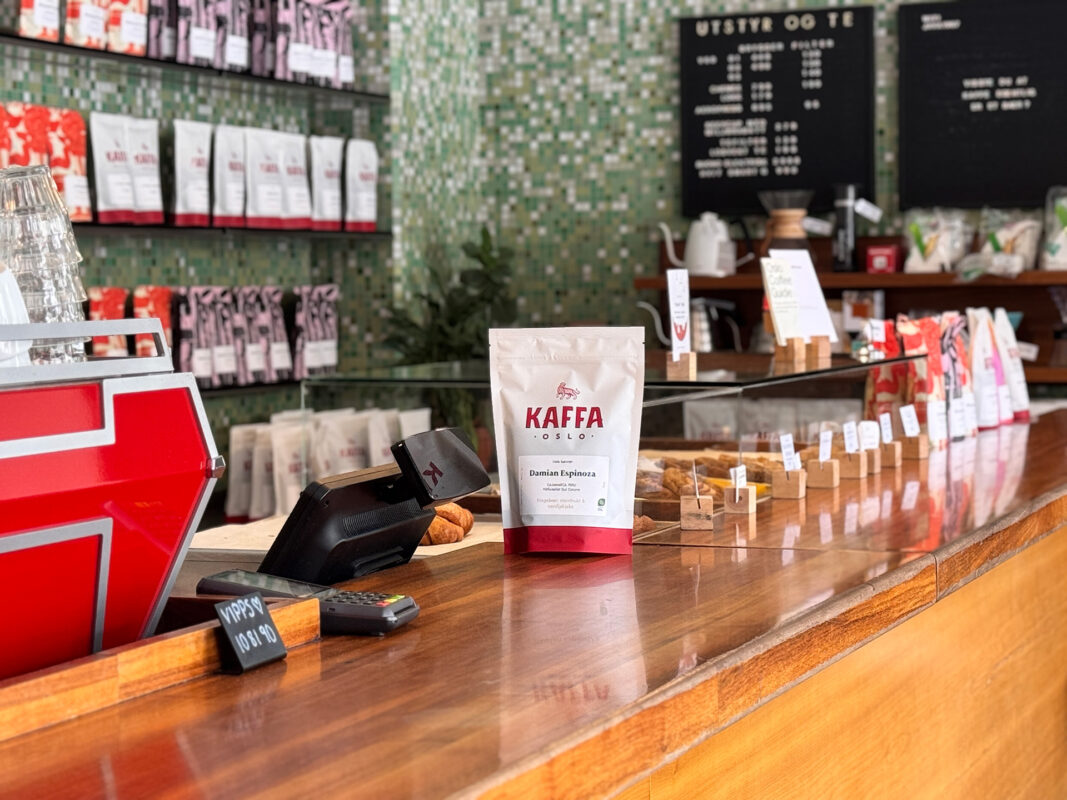
Over the past two decades, the majority of our visits have been to Java due to its proximity to St. Hanshaugen park. The pared-down, geometric aesthetic allows those with a vivid imagination to picture themselves inside a Jacques Tati film.
Fuglen
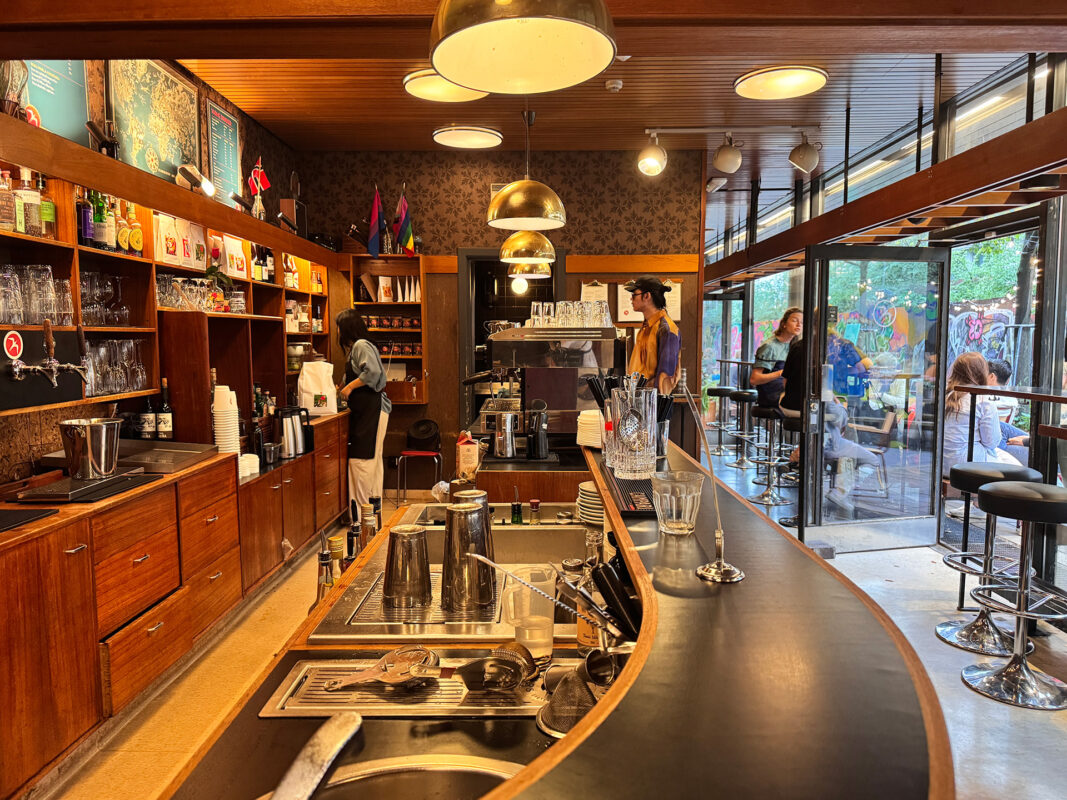
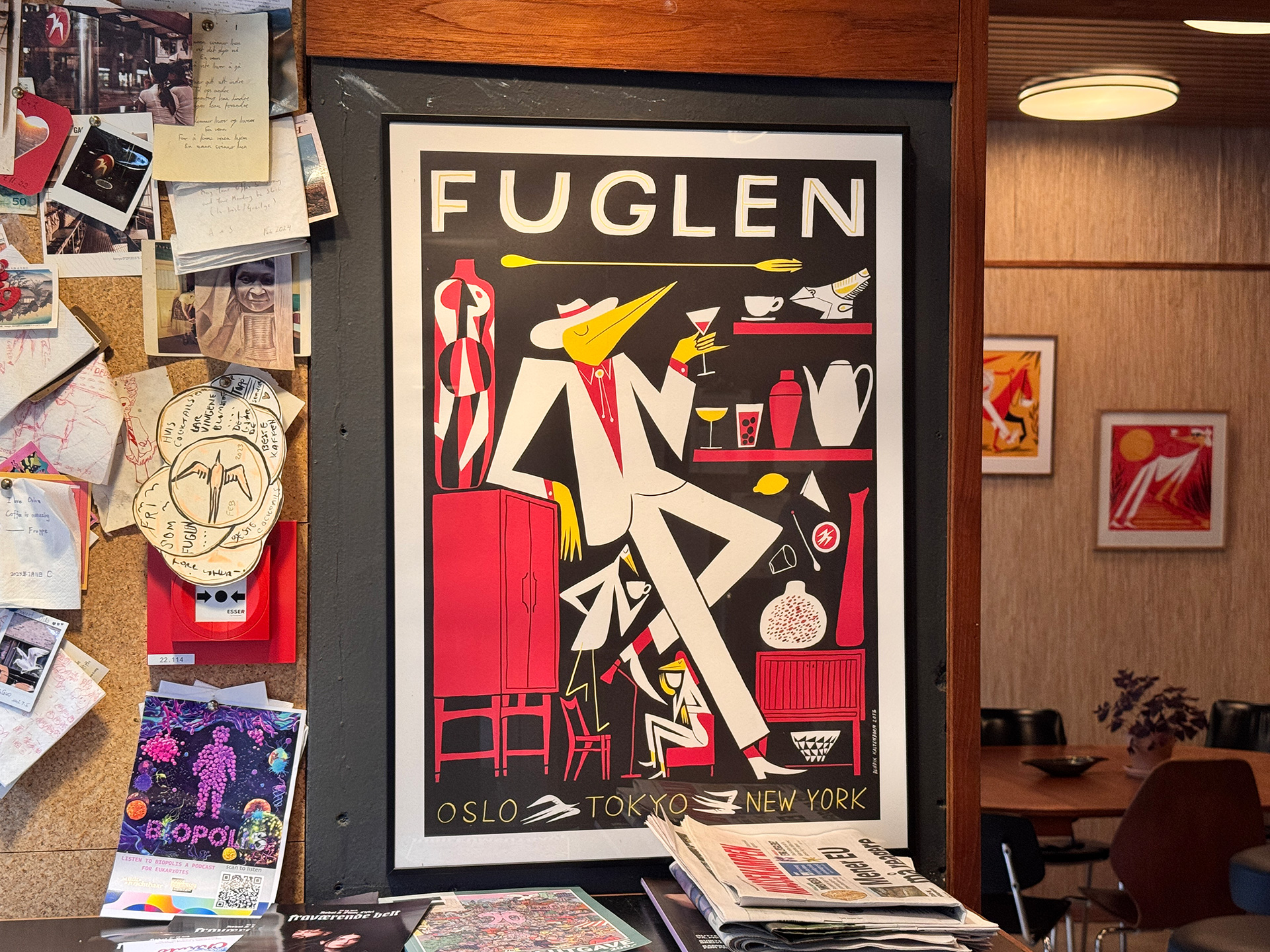
Originally from Oslo, Fuglen has evolved into a global brand. With branches recently opened in Jakarta and Seoul, and their six locations in Japan, they truly are an international phenomenon. The instantly recognizable bird logo and “folk-art meets modernist” branding have made them popular not only with the coffee clientele, but also a style icon in many respects.
One of their differentiating factors is how everything in their cafe is for sale, even the furniture you’re sitting on. Scandinavian retro minimalist design is key here, somewhere between your grandfather’s old transistor radio and a perfectly lacquered 1950s table. Their Asian branches, save for the location near Yoyogi Park, tend to offer a more modern, minimal approach.

They roast and serve their own coffee, and distribute it around the world. Slightly closer to a medium roast than a true Nordic light, the drinks are fuller-bodied and richer than their Oslo counterparts. Fuglen also benefits from the fact that the cafes turn into cocktail bars in the evening. Their staff are as adept at creating their signature drinks as they are at brewing coffee.
The Little Pickle
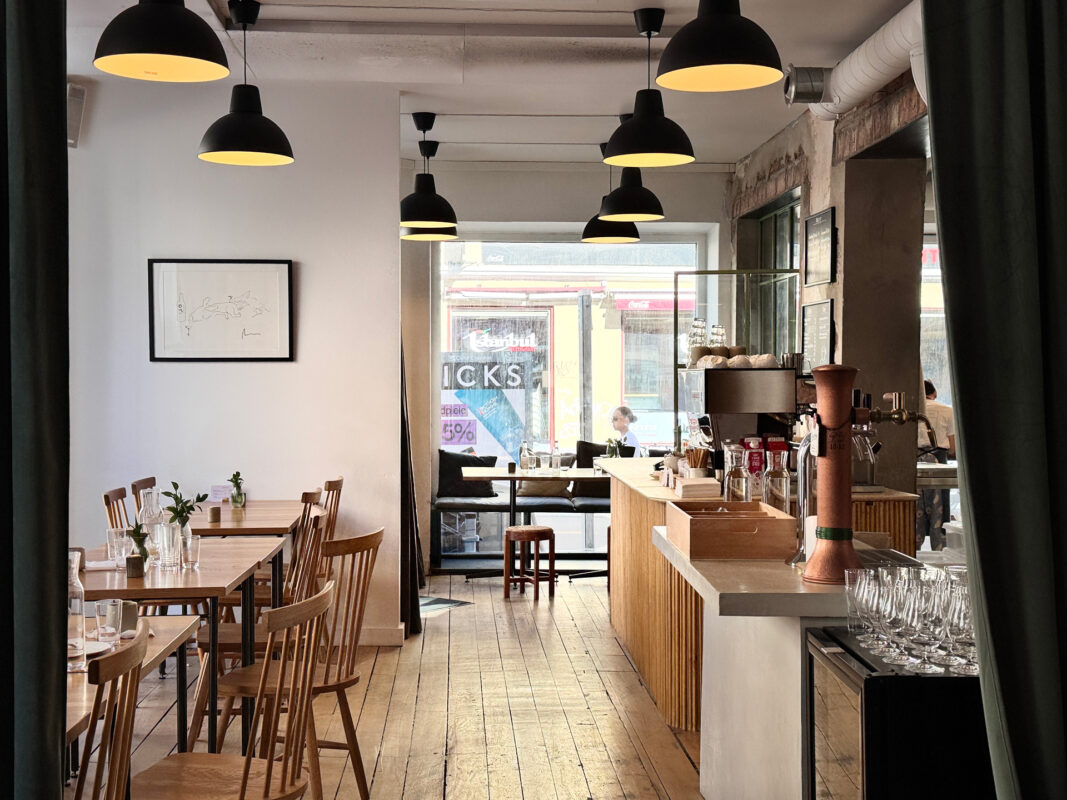
The Michelin Guide recommended Little Pickle is a trinity of sorts. A restaurant, coffee roaster, and, more recently, a bakery—it acts primarily as a lunch spot offering small plates and affordable set menus. With ample tables and windows facing Trondheimsveien, the mood is casual and contemporary. They serve a popular roast on Sunday’s which is a hit, amongst others, with the British transplants.
Ayae Maki Fredheim, originally from Japan, started roasting coffee in-house under the name Hibi Kaffe in Nov 2024. The profile is largely South American in origin, and her concept is “everyday coffee,” both a nod to the flavor profile and a gentle reminder to enjoy a cup daily. Her coffee is sold by the entrance at a small counter, and behind it is the new bakery section that opened in January 2025. Japanese and Scandinavian aesthetics have long melded in perfect unison, and this is yet another example of a successful marriage.

Solberg & Hansen Concept Store
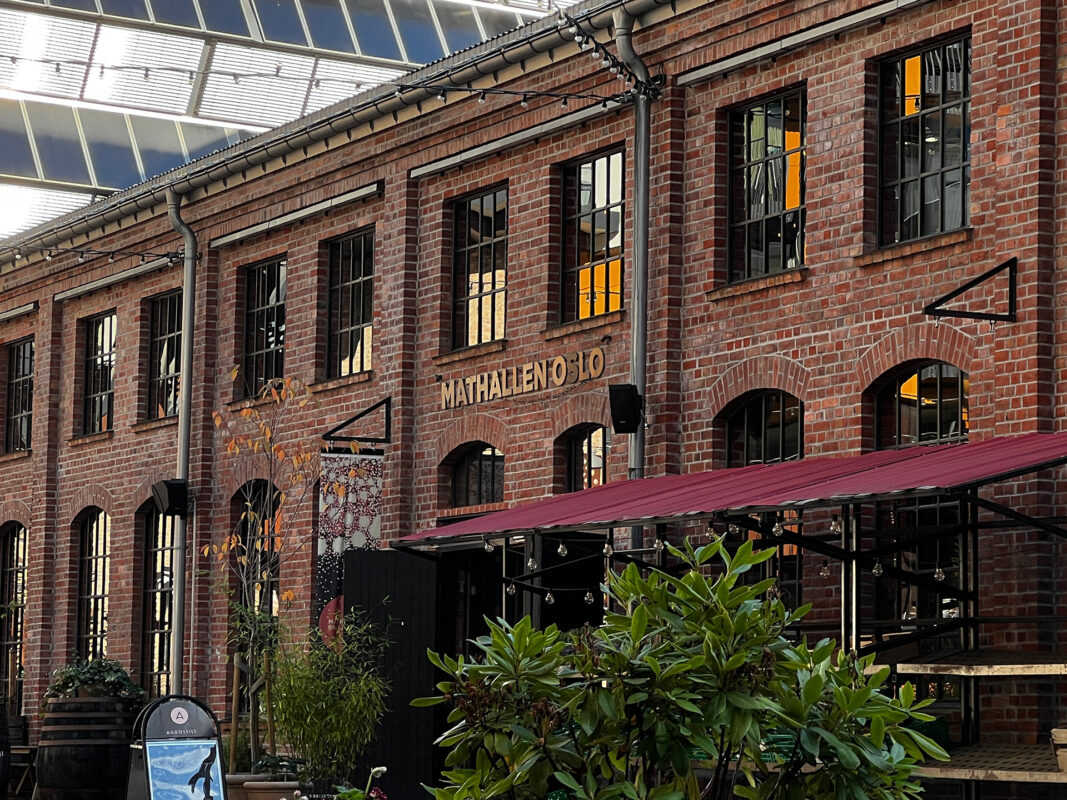
The pioneers of the Norwegian coffee industry are housed in Mathallen, a local food market by the Aker river. What began in a grocery store in 1879 has reshaped the way we view coffee. Responsible for the careers of many mentioned above, they have also launched numerous competitions, helped popularize the term “light-roast,” contributed blends to competitors on the World stage, and helped train a generation of baristas. And that’s not even scratching the surface.
At the concept store, you can purchase expertly prepared coffee, sift through their collection of over 100 teas, sign up for a barista class, participate in a tasting, or ruin your credit card on shiny coffee gear.

No guide to Oslo is complete without Solberg & Hansen. Simply put, coffee as we know it here would not exist without them.
Benjamin Sand is a freelance journalist and the creator of The Mouth. Read more Benjamin Sand for Sprudge.