
For most of the world, coffee’s main flavor attribute is bitterness. When they talk about a coffee being “strong” or “bold” or “robust” what they really mean is that it is bitter, and their ability to consume it is taken as a point of pride/toughness on a par with taking a shot of whiskey without wincing.
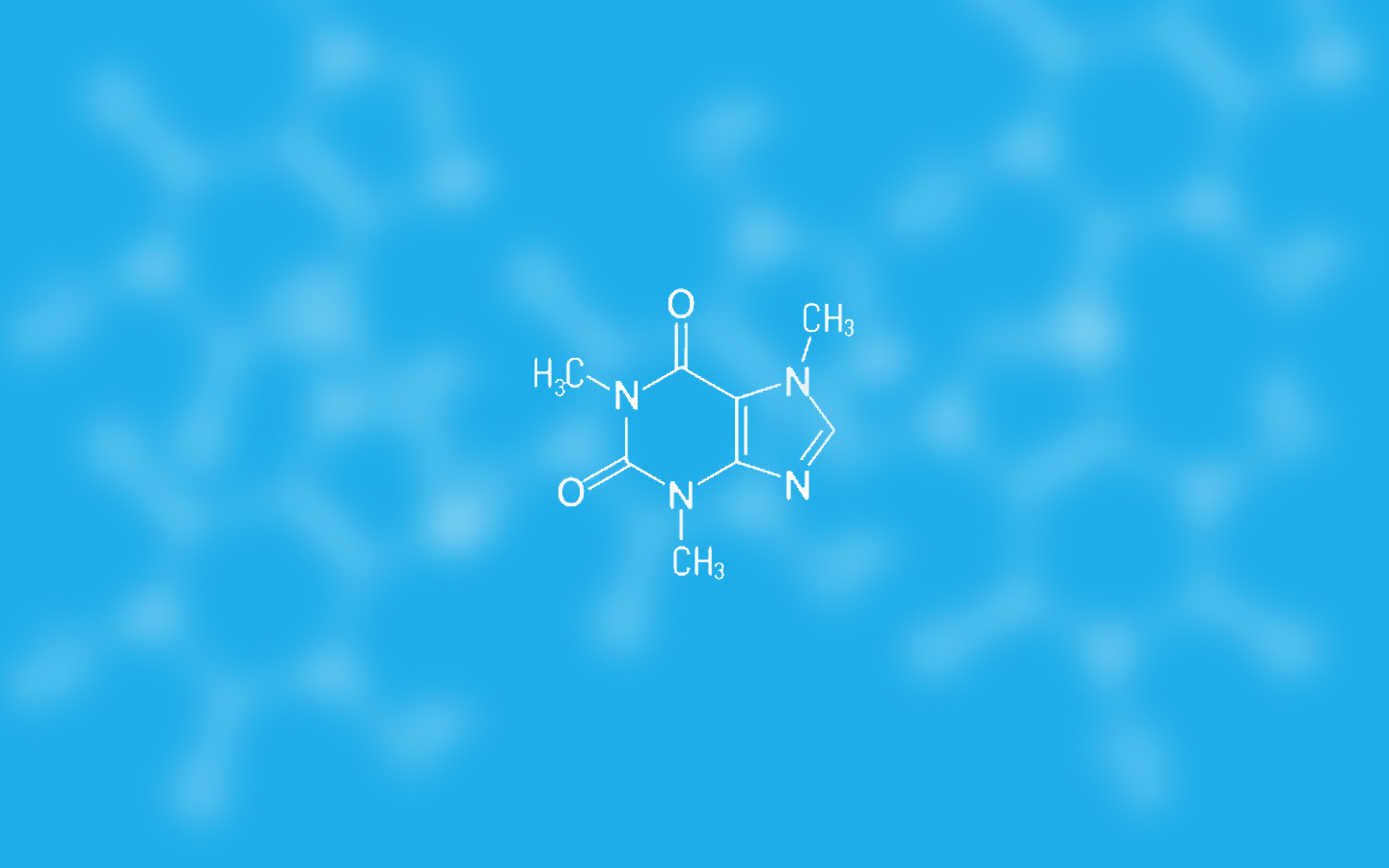
They aren’t entirely wrong, though. Bitterness is taste component of coffee, though perhaps not the most prominent one, when done right anyway. Much of coffee’s bitterness is attributed to its caffeine content, though how exactly bitterness is perceived is less understood. But new research sheds light on the biological mechanisms underpinning the taste perception of bitterness.
As reported by Popular Science, the new study was published recently in the journal Nature Structure & Molecular Biology. For it, researchers from the University of North Carolina focused on a specific taste receptor TAS2R43. It is just one of 26 taste receptors responsible for perceiving bitterness. Little is known about TAS2R43 until recently; its microscopic structure wasn’t figured out until just a few years ago. Even still, how it responds to bitterness had been understood.
Using a technique called cryogenic electron microscopy (cryo-EM), where biological molecules are flash frozen and then electrons are used to create detailed 3D images, researchers examined how TAS2R43 reacted to bitter compounds in coffee like caffeine and mozambioside. They then were able to compare the response to those of other bitterness receptors.
With a better understanding of the physical structure of TAS2R43 and how it responds to bitterness, researchers can potentially create compounds that control the perception of bitterness, the use of which goes beyond the world of food and beverage. It can also be used in drugs to help create new medical treatments and potentially “help guide the development of new therapeutic strategies for diseases involving airway defense, gut function, inflammation, or host responses to microbes,” per Yoojoong Kim, one of the study’s authors.
If anything, it shows just how compelling coffee really is. Perceiving bitterness is a human defense mechanism to keep us from eating toxins and other potentially lethal things. And yet, with coffee, which has now been 3D mapped to show exactly how it is lighting up all those warning indicators, the general sentiment is, “meh, it’s worth the risk.”
Zac Cadwalader is the managing editor at Sprudge Media Network and a staff writer based in Dallas. Read more Zac Cadwalader on Sprudge.


